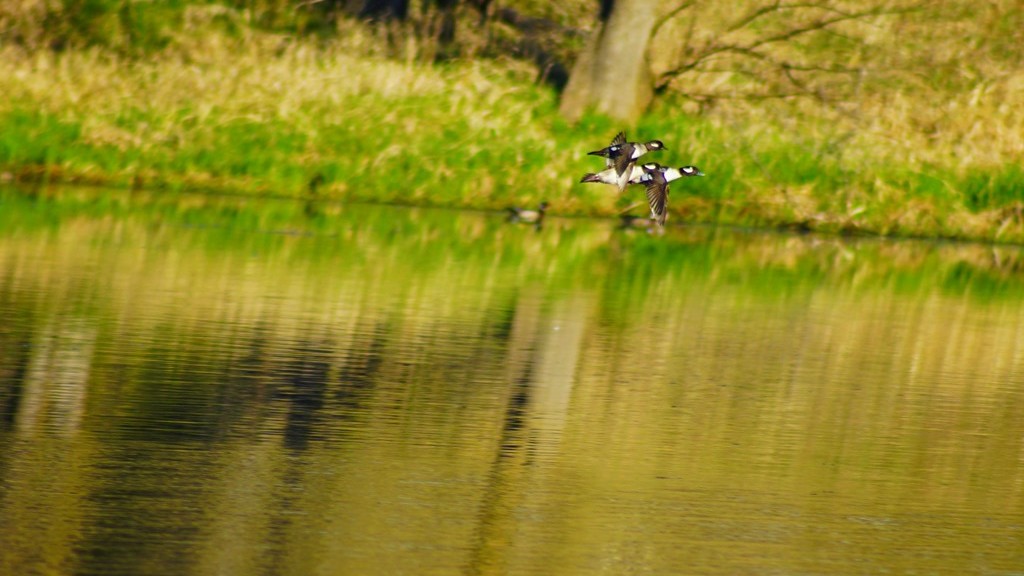
The Ducks are Migrating

While out on a hike recently I noticed this small pond full of ducks. Watching for a few minutes I could see a few different types of beautiful ducks but I had to keep going as rain was near and I didn’t really want to get wet. A few days later I got up just before sunrise and headed to this lake to watch these ducks.
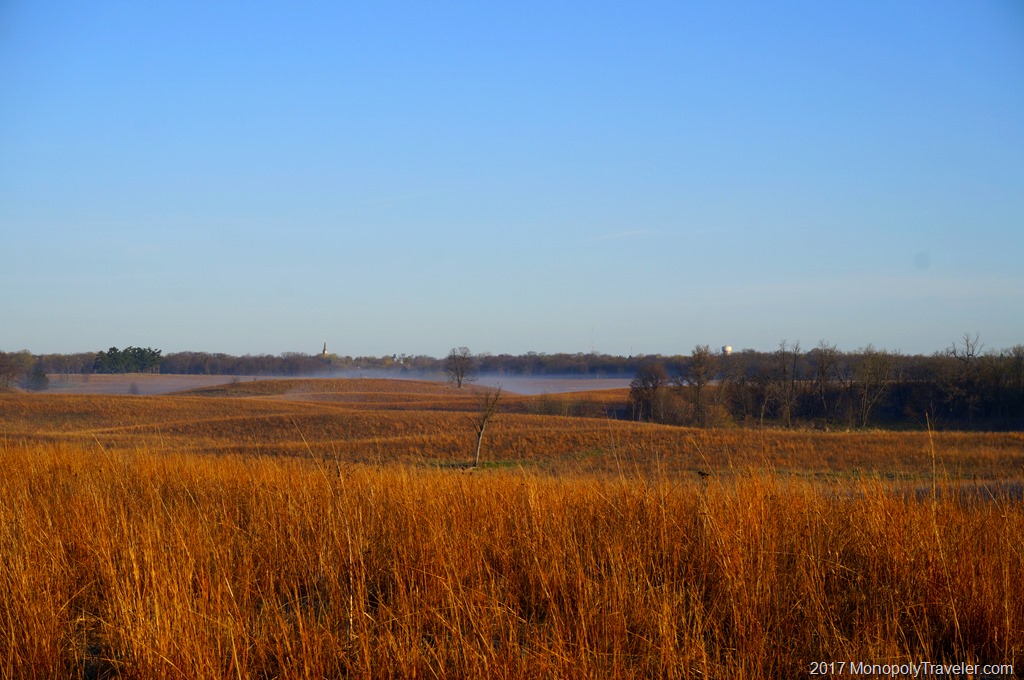
A crisp morning with some fog

As the morning went on I was amazed at the diversity of ducks in this little pond on a beautiful crisp day. While walking from my car to the pond there was frost on the grass and some fog in valleys which was burning off quickly under the warming sun. A perfect morning for enjoying the outdoors in my book.
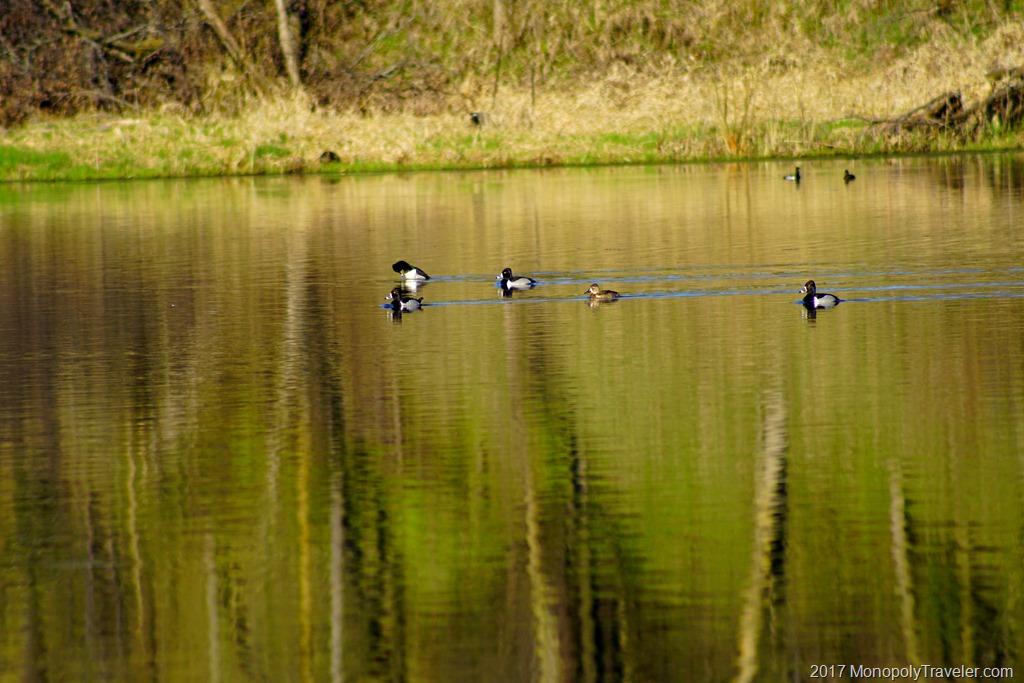
Ringneck Ducks

After settling in next to a tree, the ducks began moving around the lake but seemed to always keep an eye on me. The morning started with me sitting in front of the tree trying to keep still waiting for them to come closer. After awhile I decided to move next to the tree instead of in front of it and ducks began to come closer but still far enough away to prevent close up pictures like the Ringneck ducks in the photo above.
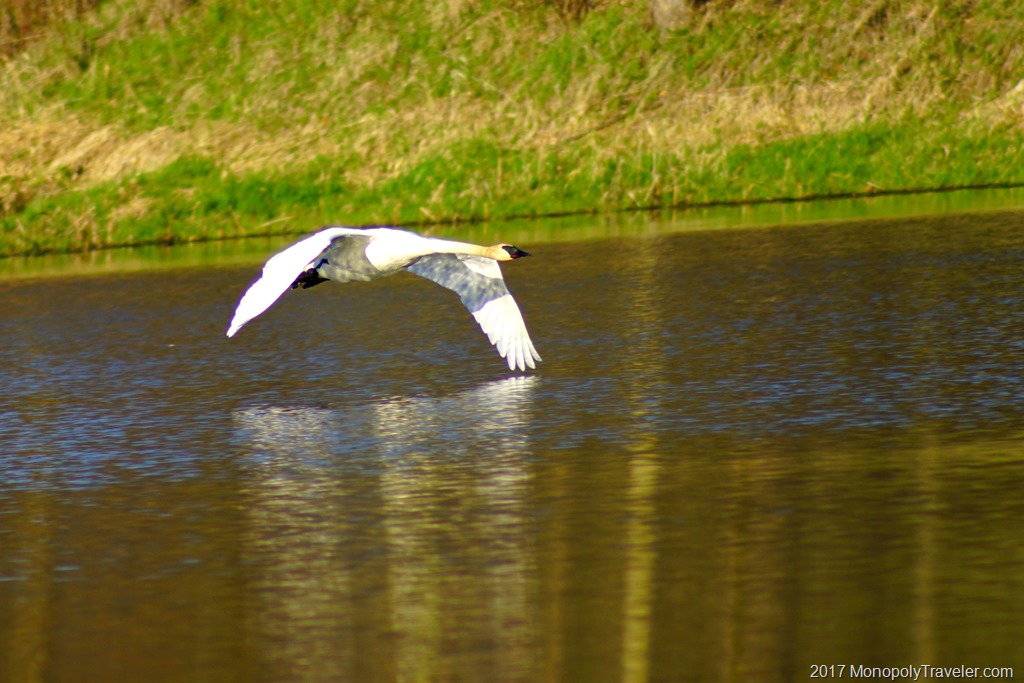
Trumpeter Swan grazing the top of the water

While enjoying the great spring morning I could hear a Trumpeter Swan calling off in the distance. Eventually it flew closer and around the pond. Having watched these birds I was pretty sure it was going to make a pass somewhere on this pond if not land in the pond so I kept an eye on it and had the camera ready. The difficult part about preparing for the swan was trying to also keep on eye on the ducks and their position. Soon this Trumpeter turned and headed for the pond allowing me to shoot away. When looking over the photos this one caught my attention because of how close the wing feathers are to the water and the light reflecting off of the water onto its wings.
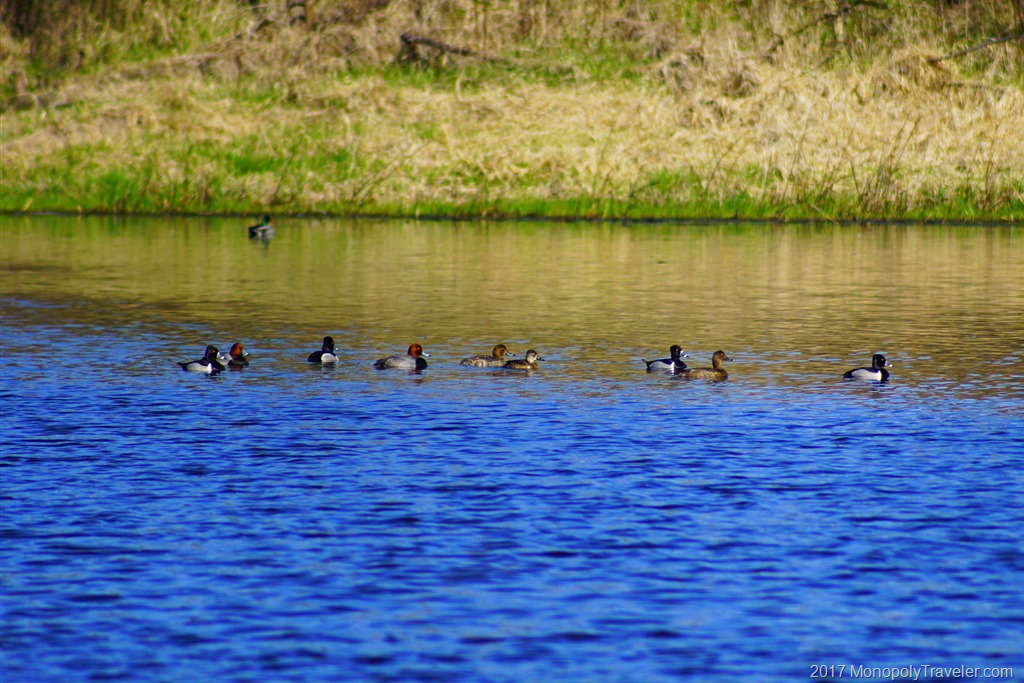
Redhead ducks swimming with the Ringneck ducks

As the morning continued a beaver would swim around appearing as if it was chasing these ducks which worked great for me because these ducks would forget about me for a few moments and come closer. Another type of duck called Redhead moved to the area of the pond closer to me and allowed me to watch them for a little while until the beaver left the area they wanted to be. They were interesting to watch as at time they would fly in circles around the lake and fly into a tree for a few minutes before returning to the water. Also at this time wind was increasing taking away the reflective water from earlier.
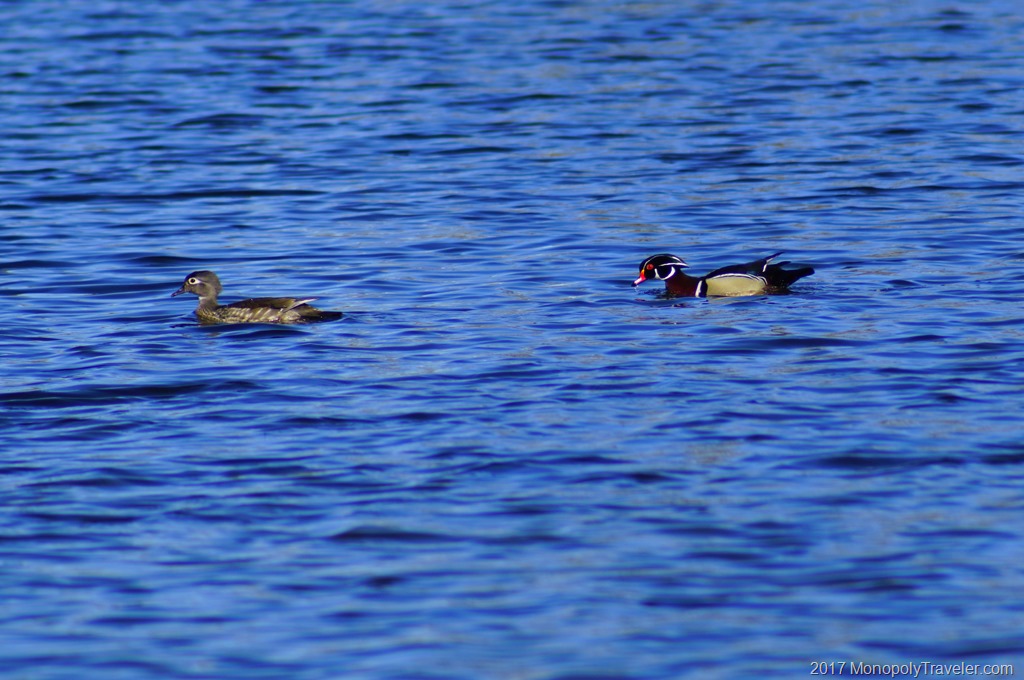
A pair of woodducks

After awhile I began watching some birds as they fluttered around me and even over the water. As I continued to do this I noticed some ducks coming closer as my attention was elsewhere like these Wood Ducks in the photo above. This was interesting to me as in other locations keeping still and as hidden as possible brought the ducks closer allowing for more detailed photos. As they seemed to get more comfortable with my presence I would slowly move the camera back in their direction and begin photographing them.
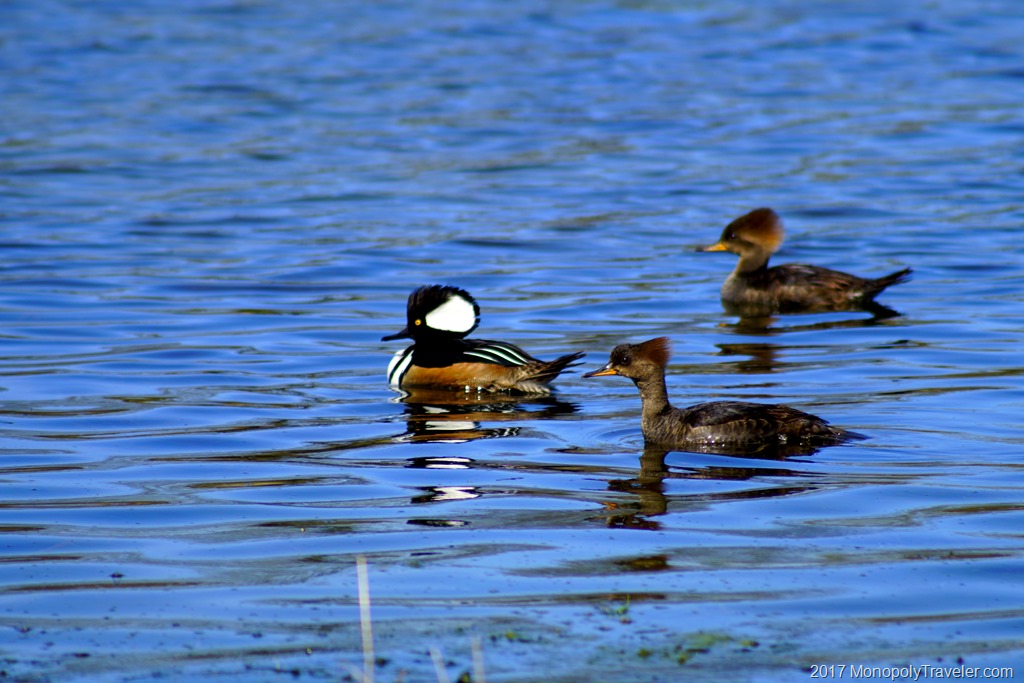
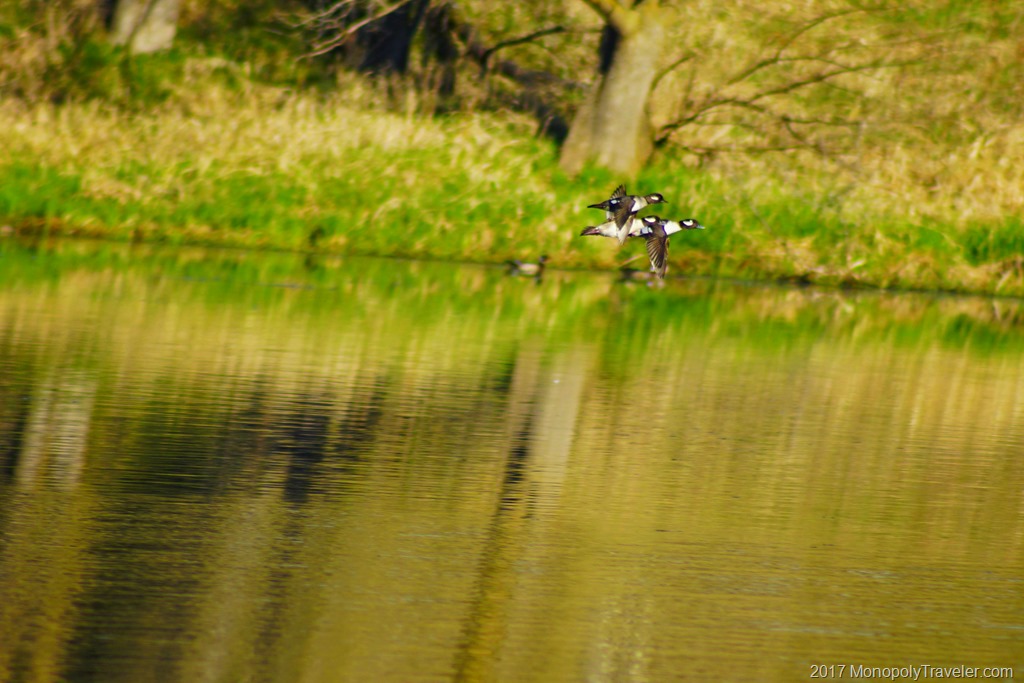
Hooded Mergansers

These male and female Hooded Mergansers eventually made there way closer to me providing a little entertainment as there was one male and seven females giving this group a little different dynamic from the traditional pair of ducks. It was fun as they stayed near me for a little while as they dove for food, chased each other around, and preened. Eventually they flew off to another area leaving me relaxed and satisfied with my time watching them.
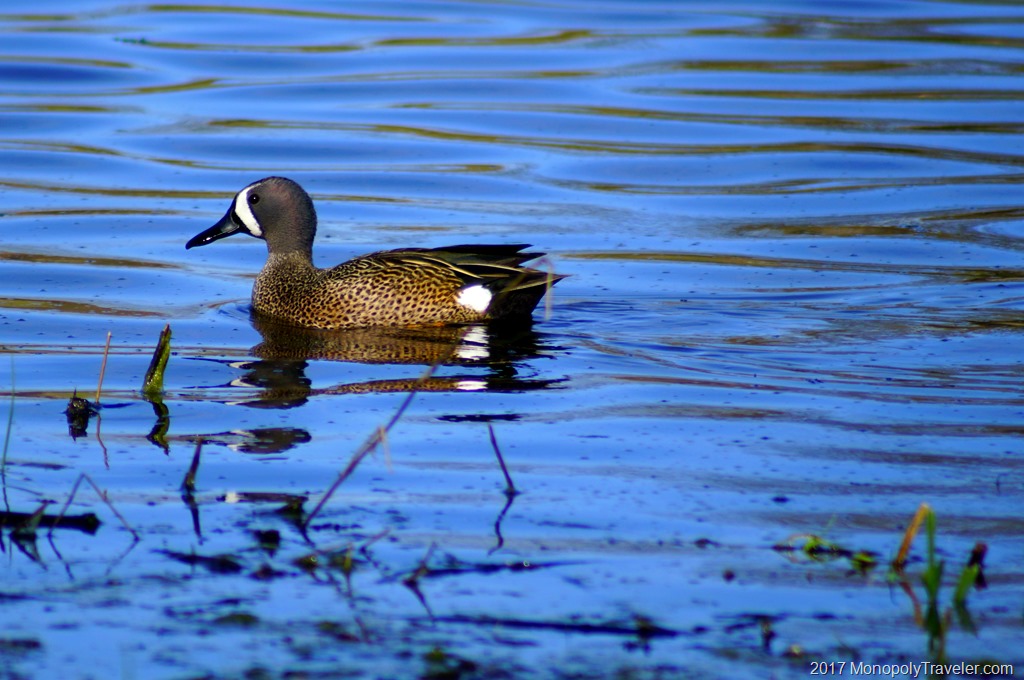
Green Winged Teal

The first ducks to venture close to me were Green Wing Teals as they scoured the shoreline for food. These ducks have an amazing array of colors which become more iridescent as the light changes while they’re swimming around, however, the best colors show up as their wings are spread showing off a light teal and bright green spot on each wing. During the morning I did hear Loons calling in the distances along with Sandhill Cranes but they did not venture close enough to watch. It was a very surprising morning at this little pond with how much diversity of ducks and birds hanging around making it difficult to leave. Hopefully there will be another opportunity to go back.
_DSC7867-1

The Making of Kentucky Bourbon

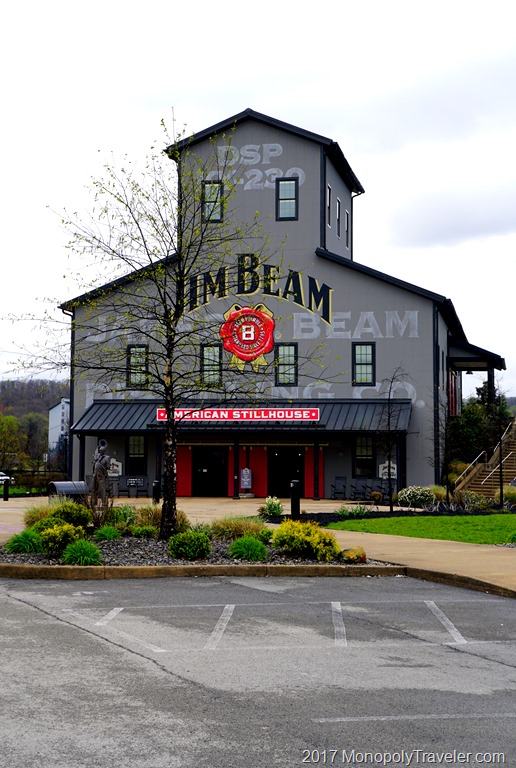
Recently while on Spring Break our family headed to Western Kentucky to visit friends. During that visit we took some time to visit Jim Beam, one of the several bourbon distilleries in the area to learn how this type of whiskey is made. Their tour is quite interesting and informative making it a fun way to spend a couple of hours in a very nice facility.

_DSC7545

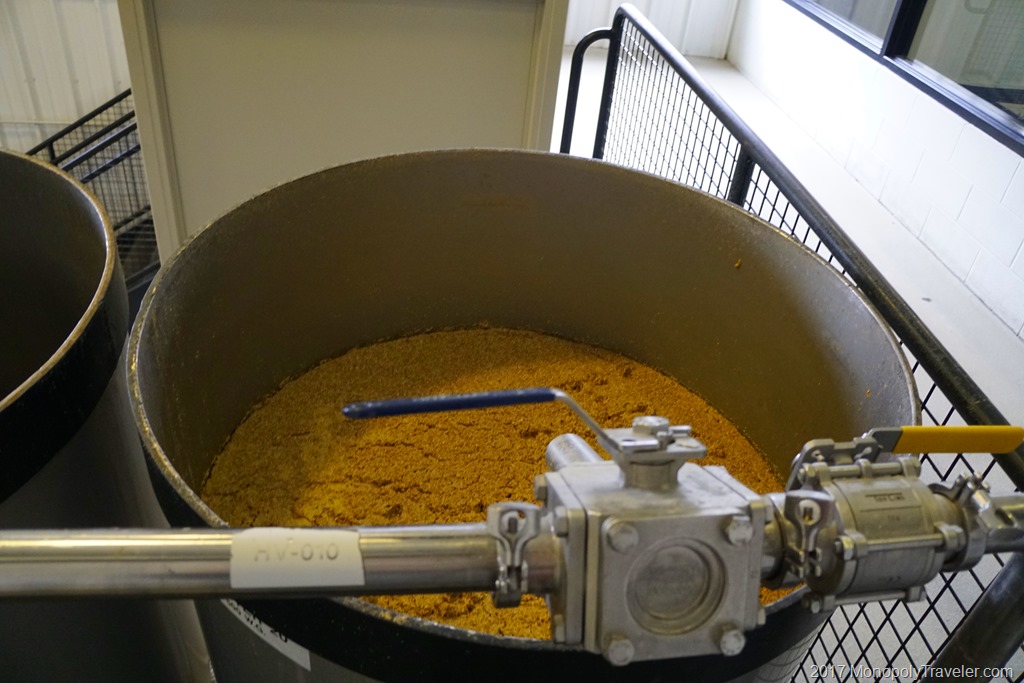
In order for a whiskey to be a bourbon it has to meet a couple of requirements. The first is that it is made entirely from grains with at least 51% coming from corn. These grains are mixed together and added to yeast creating a mash which is fermented for several days. Below is a photo of that mash which gets to be quite sour after a couple of days. If desired this mash can be tasted on the tour to confirm its sour taste.

Grains fermenting for several days called mash

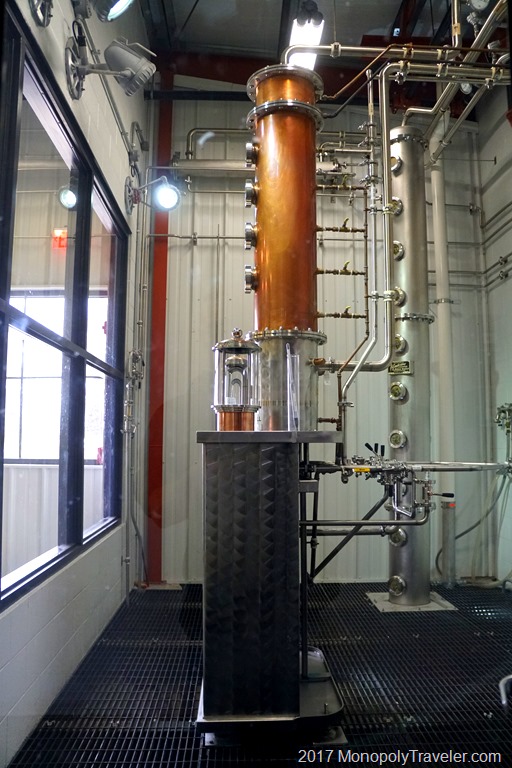
After the mash is fermented for a long enough period of time it is then distilled separating out the alcohol in to a clear liquid which is called a white wine. At this distillery the process is completed twice to get as pure of a white wine as possible. This white wine is also called moonshine by many people.

Mulitple distillations create moonshine which is barreled and aged

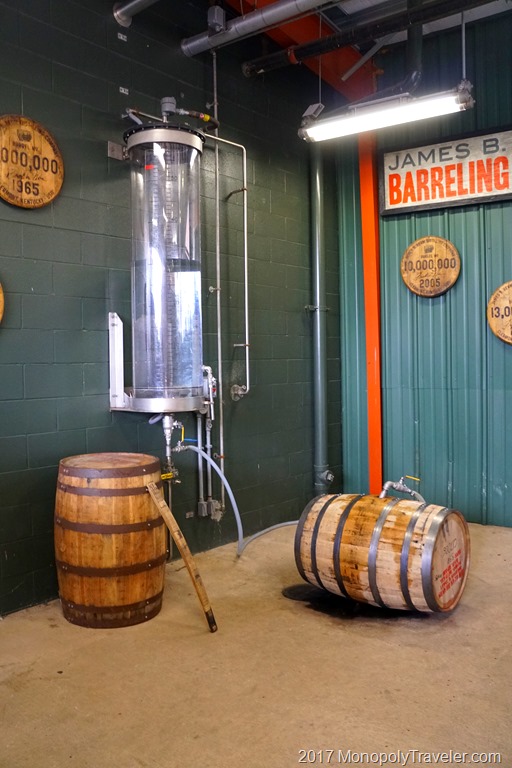
Once enough of this moonshine is created and collected it is ready for aging. This is another requirement for making bourbon. Aging inside a new burned oak container. It is this burned oak that is responsible for the color of bourbon and gives it additional and unique flavoring. Below you can see how clear this moonshine is before it is filled into an oak barrel where it is stored for years before being bottled. The contracting and expanding of this oak allows moisture in and out during different times of the year altering the alcohol content and flavor of the finished bourbon.

Putting the distilled moonshine into a barrel for aging

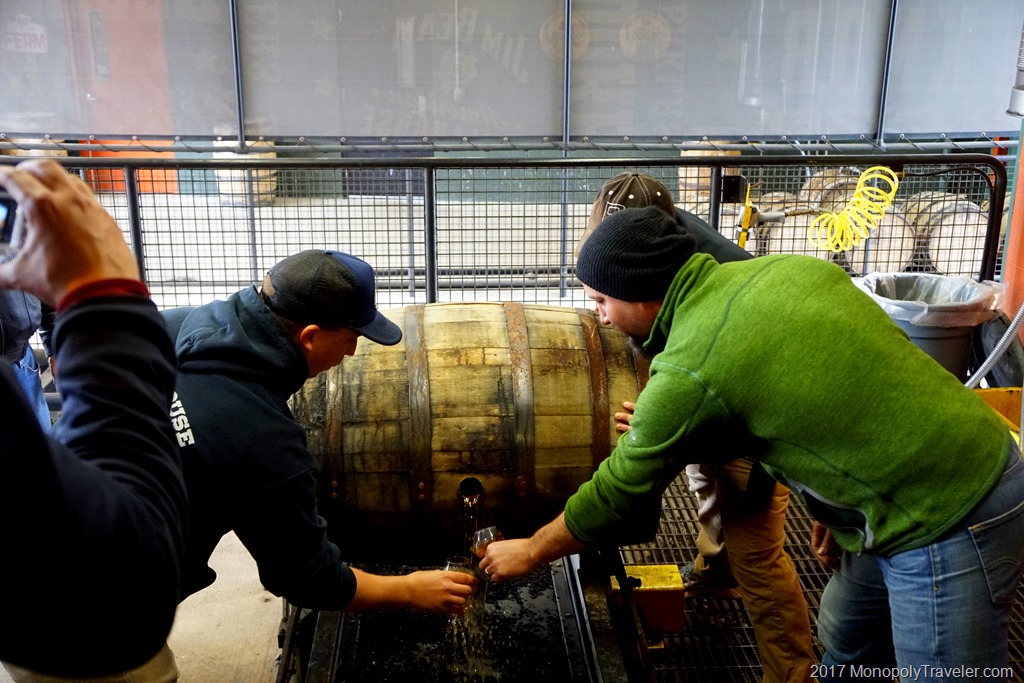
After the appropriate amount of time aging in a burned oak barrel it is opened and tested. If more aging is required it will be re-corked and put back into storage for more time. Each barrel has a unique alcohol content as each one ages a little differently which can not be determined until it is opened. In order to get a consistent alcohol content in each bottle, multiple barrels are added together and water is used to reduce how strong each bourbon is.

Opening a barrel of Bourbon and testing it

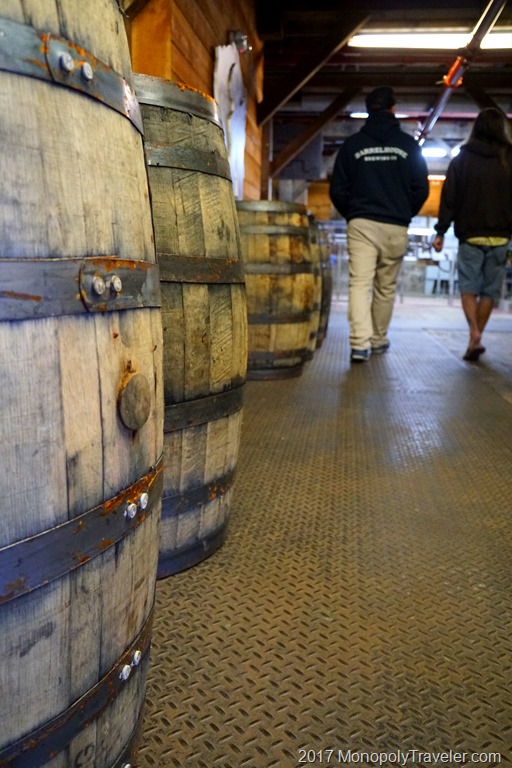
I was amazed that in this day with all of the technology we have, wood barrels are still used and “sealed” with a wooden cork much like it has been done for centuries. It felt as though we were going back in time with these barrels everywhere. I’ve seen whiskey barrels available for planting into which I always thought were manufactured just for this purpose. Now I realize how many barrels are used in the production of different alcohols needing a life after being used in distilleries.

Corked and aging

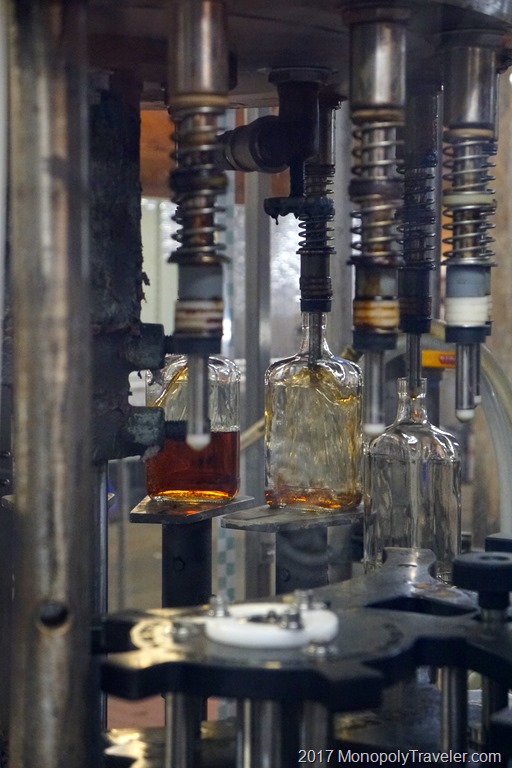
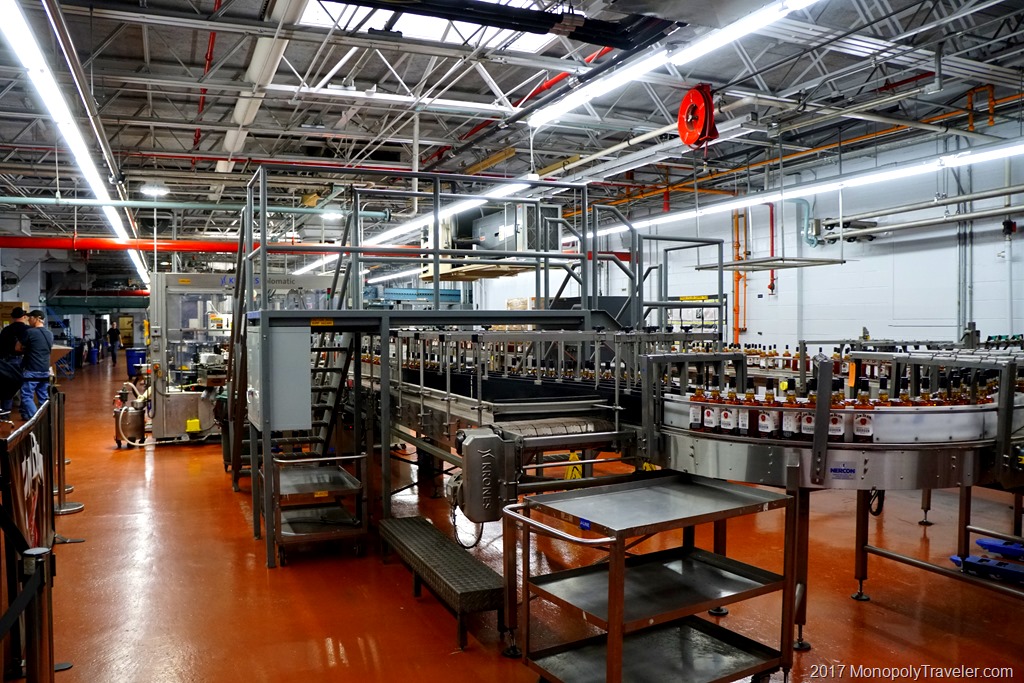
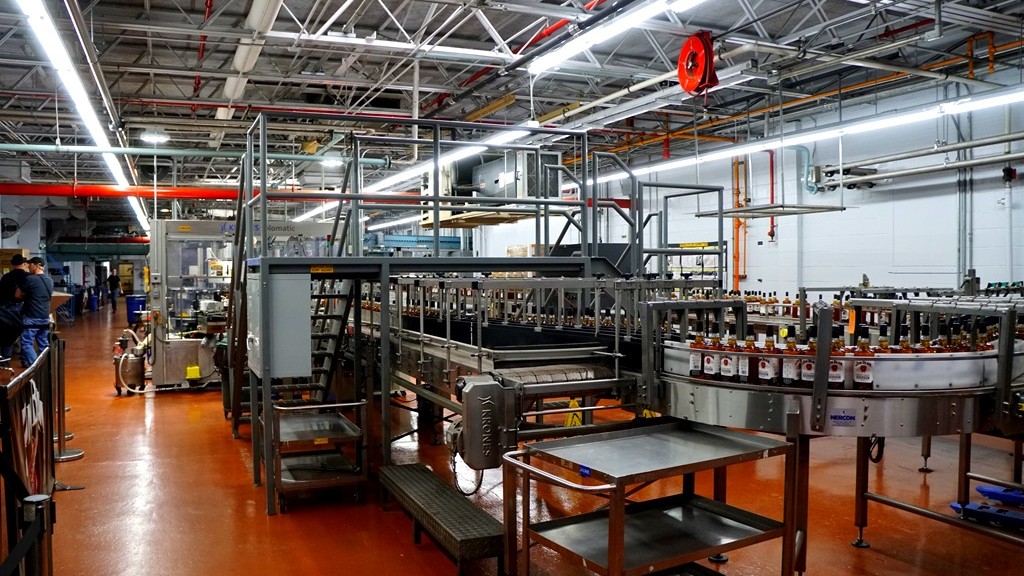
Once the bourbon is processed so it is ready to drink it is mechanically bottled, sealed, and labeled ready to ship to distributers and retail stores for consumption by you and me. This whole bottling process is amazing in how quick and efficient it is as many manufacturing processes often are.

Filling bottles with Bourbon

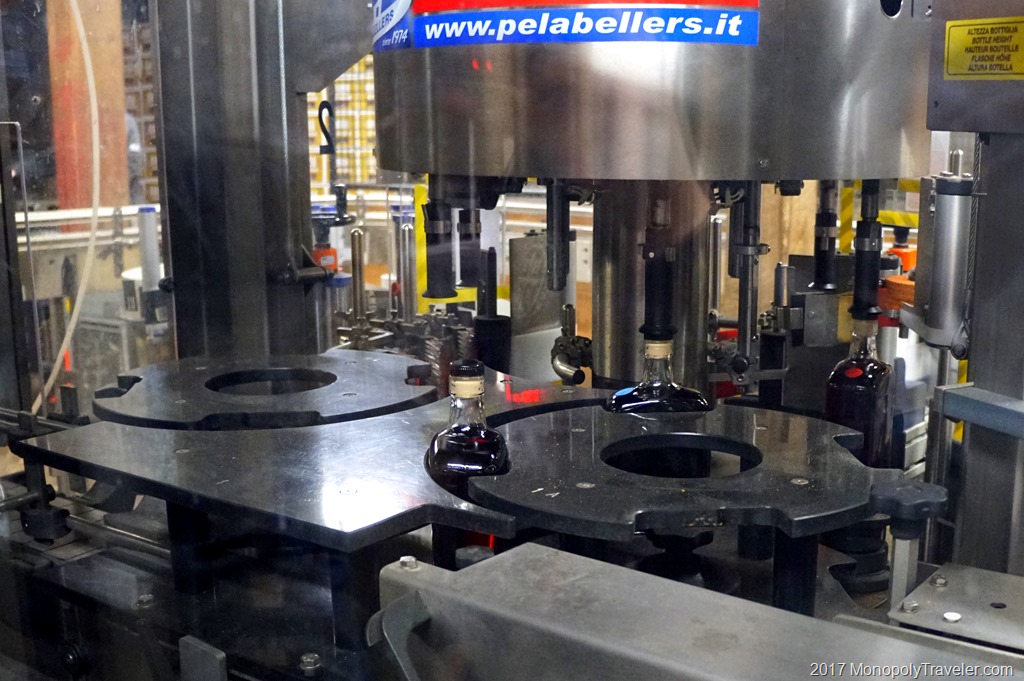
We were able to tag a specific bottle and watch as it went through this bottling process making it more personal and interesting. Another requirement for bourbon is to be created in the United States of which about 95% is manufactured in Kentucky as that is where it was first discovered and made. This continues today.

Sealing and labeling each bottle

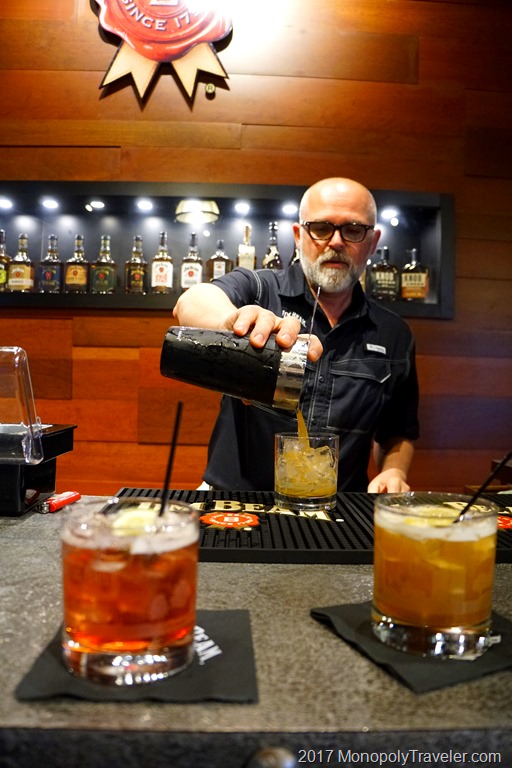
What is a tour without being able to try the product you just learned about? They have a tasting room, as there are more types of bourbon than I would have ever guessed, to see which ones you prefer. There is another area by this tasting room to order a drink or two to further try different combinations if so desired completing this very interesting and entertaining tour of a Jim Beam distillery.

Sampling the end product

Preparing thousands of bottles of Bourbon

Springtime Waterfalls

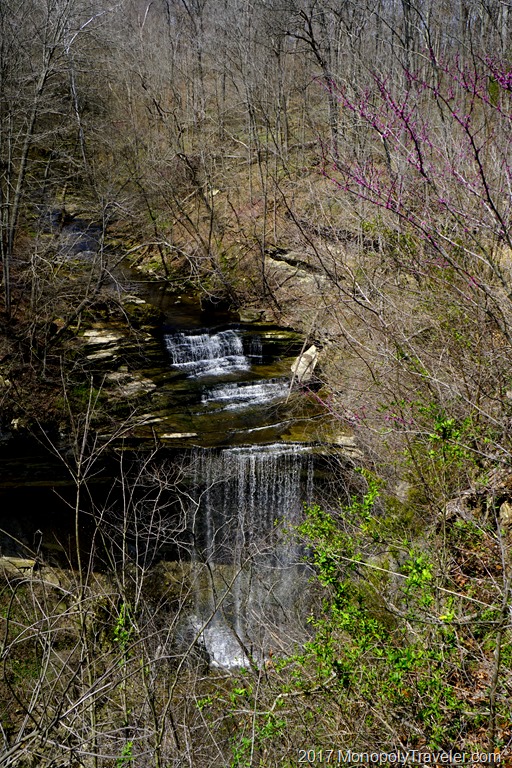
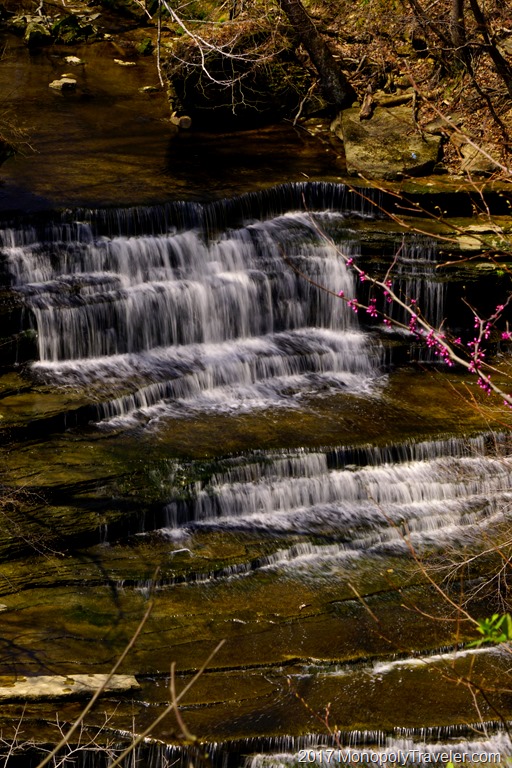
While away on Spring Break we stopped at Clifty Falls State Park in Indiana for a beautiful spring afternoon. This waterfall is on Clifty Creek which flows in to the nearby Ohio River. With sun abound and temperatures reaching into the upper 60’s Fahrenheit, it was about perfect for a hike through this beautiful state park just beginning to awaken after a long winter rest.

Clifty Falls

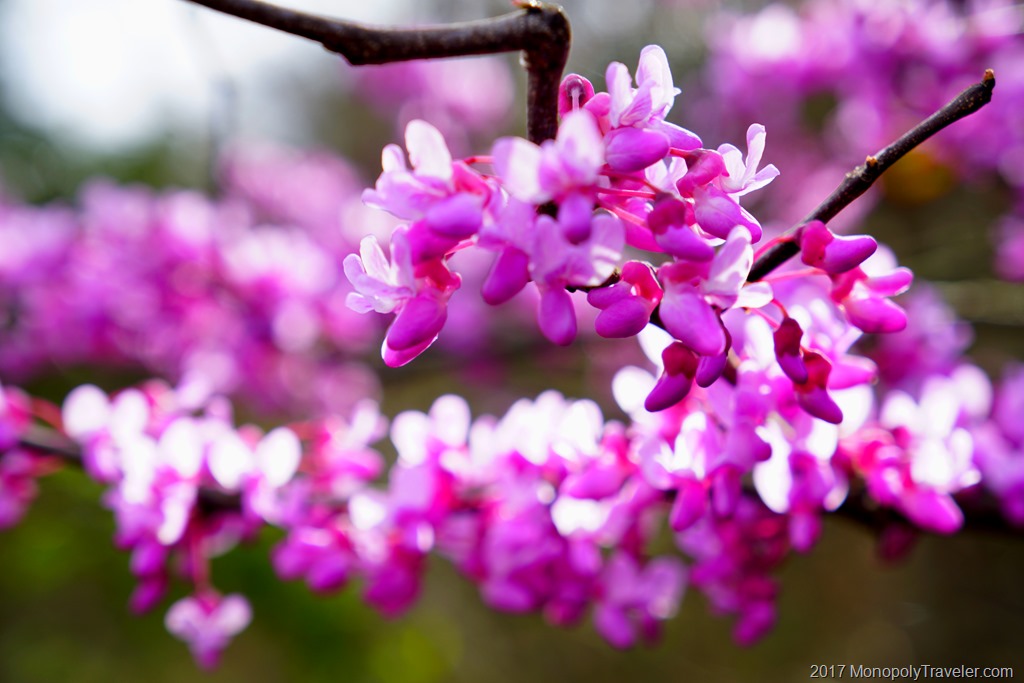
With ample rains providing plenty of water to glide over these limestone edges, Clifty Falls provided an amazing landscape to share with family and friends. Add to that ephemeral flowers blooming all over the forest floor and redbud trees beginning to explode with little pink flowers in the warmth of the sun overhead and it becomes almost a day many dream of on a cold winters night. Unfortunately for many people, visiting this state park in early spring does not even enter their list of possible adventures leaving these wonderful sights to those who seek out its early treasures.

Redbuds in full bloom

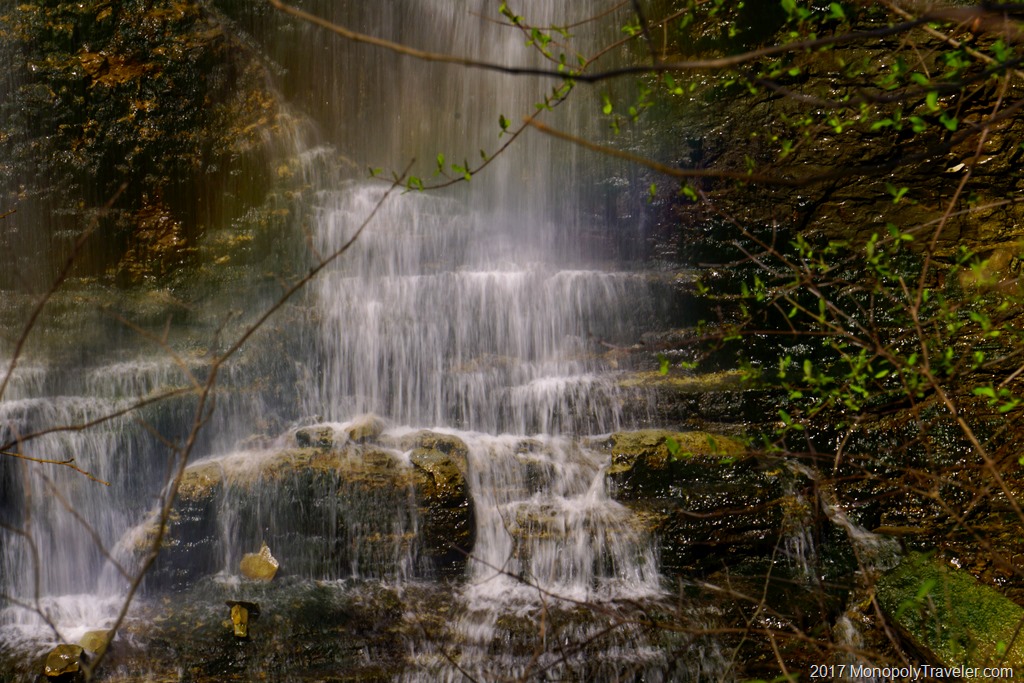
There are four waterfalls listed on the map for Clifty State Park however we were able to only see two of them in an afternoon providing nice incentives to return when the opportunity presents itself again. The many limestone stairs making up these waterfalls provides such a relaxing environment with their sights and sounds making the hikes to see them a worthwhile adventure.

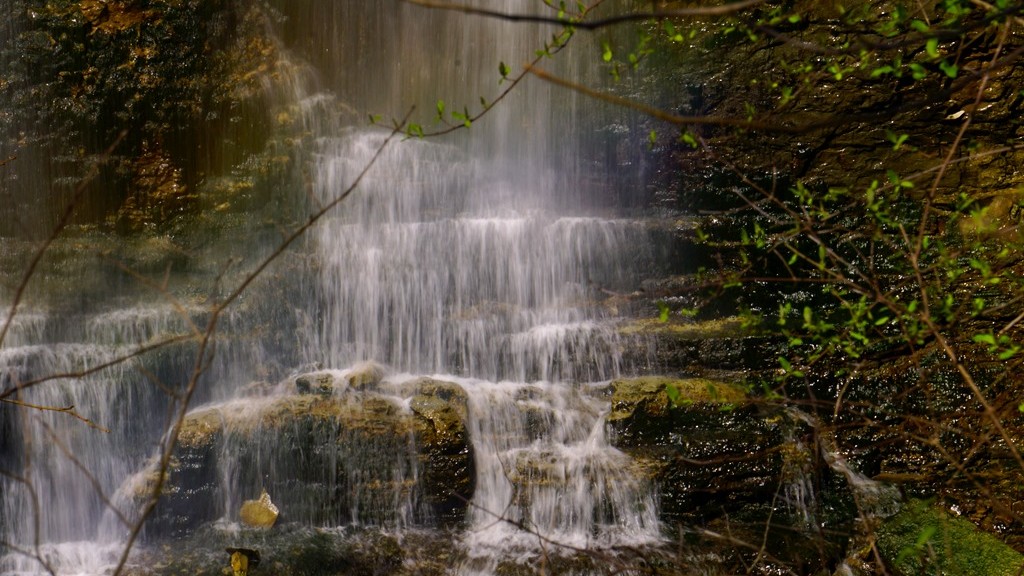
The upper portion of Clifty Falls


Spring Waterfall